The Chancellor delivered the Autumn Budget on 28 October 2026. For most small businesses it was a quieter Budget than the last few: headline rates stayed put, and the changes are mostly allowances, reliefs and dates further down the line. Here is the plain-English version.
What did not change
- Income Tax and National Insurance headline rates are unchanged.
- The VAT rates and the £90,000 registration threshold are unchanged.
- The Corporation Tax main rate stays at 25% and the small profits rate at 19%, with the same £50,000 to £250,000 marginal relief band.
- Dividend tax is unchanged, so the rates that rose in April 2026 (10.75% basic, 35.75% higher) still apply.
- Income Tax thresholds stay frozen until 2030/31.
What is changing
Trading allowance triples
The tax-free trading allowance rises from £1,000 to £3,000 from 6 April 2027. If your gross self-employed income is above it, you choose between the allowance and your actual expenses, not both.
Mileage
The 55p per mile rate for the first 10,000 business miles becomes permanent, and the rate above 10,000 miles rises from 25p to 35p from 6 April 2027.
Capital allowances
The first-year allowance on main rate assets rises from 40% to 50% for spending from 1 January 2027, while the main writing-down allowance falls to 12% from April 2027. Full expensing is treated separately, so check before you buy equipment.
Selling your business
Business Asset Disposal Relief keeps its 10% rate for disposals on or after 6 April 2027 but the lifetime limit halves from £1 million to £500,000. A new Founders' Relief offers a 10% rate on up to £10 million of gains for qualifying founders, with strict conditions still being finalised.
Wages
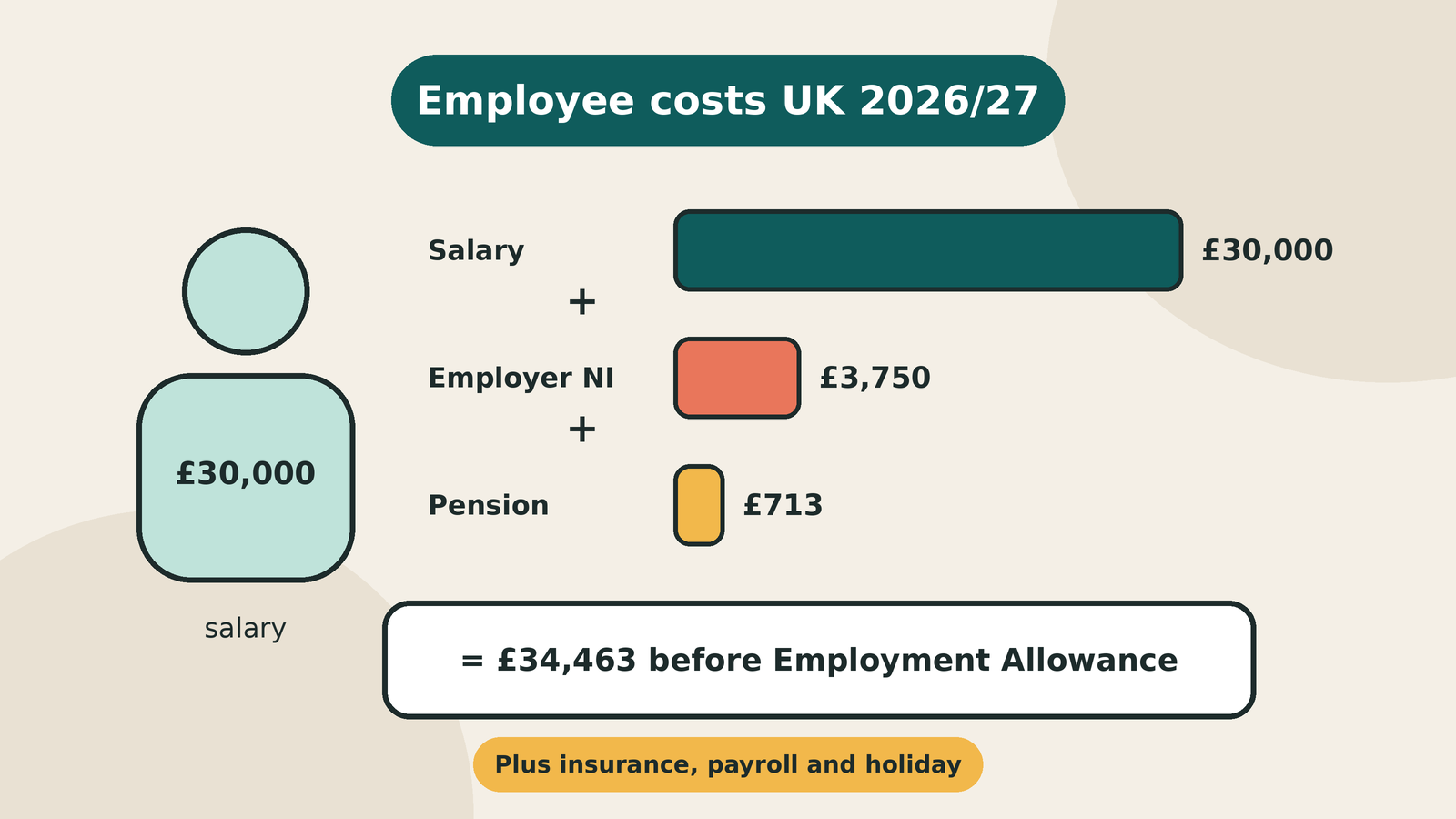
The National Living Wage rises 3.9% from £12.71 to £13.21 an hour from 1 April 2027. Budget for the employer National Insurance that goes with it.
Property and savings income
Tax rates on property and savings income rise by a further 2 percentage points from April 2027, to 24%, 44% and 49% (property rates exclude Scottish taxpayers).
Business rates
In England, retail, hospitality and leisure properties with a rateable value up to £18,000 get 100% relief from April 2027, tapering to zero at £21,000. Bills are also frozen from April 2027 to April 2029 for eligible businesses that do not get Small Business Rates Relief.
Further ahead
- From April 2029, VAT and PAYE payers need a Direct Debit in place.
- From April 2029, VAT-registered businesses must issue and receive structured e-invoices for domestic sales.
- From April 2029, Self Assessment payments are due to move to smaller, more regular instalments, after consultation.
What to do now
Check whether you will be in Making Tax Digital for Income Tax from April 2027, review how you take profit from your company, and plan any equipment purchases around the new allowance rates. If you want us to run the numbers for your business, get in touch.
This is general information, not personal advice. Figures reflect the Budget announcements at the time of writing and may change when legislation is published.